Central Nervous System Diagram Easy : Biology For Kids Nervous System In The Human Body / The central nervous system consists of the brain and spinal cord.
Central Nervous System Diagram Easy : Biology For Kids Nervous System In The Human Body / The central nervous system consists of the brain and spinal cord.. The central nervous system (cns) and the peripheral nervous system (pns). The central nervous system is made up of the brain and spinal cord. The nervous system by, dr. The nervous system is organised into two sections, the central nervous system (cns) and the peripheral nervous system (pns). Central nervous system (cns) definition.
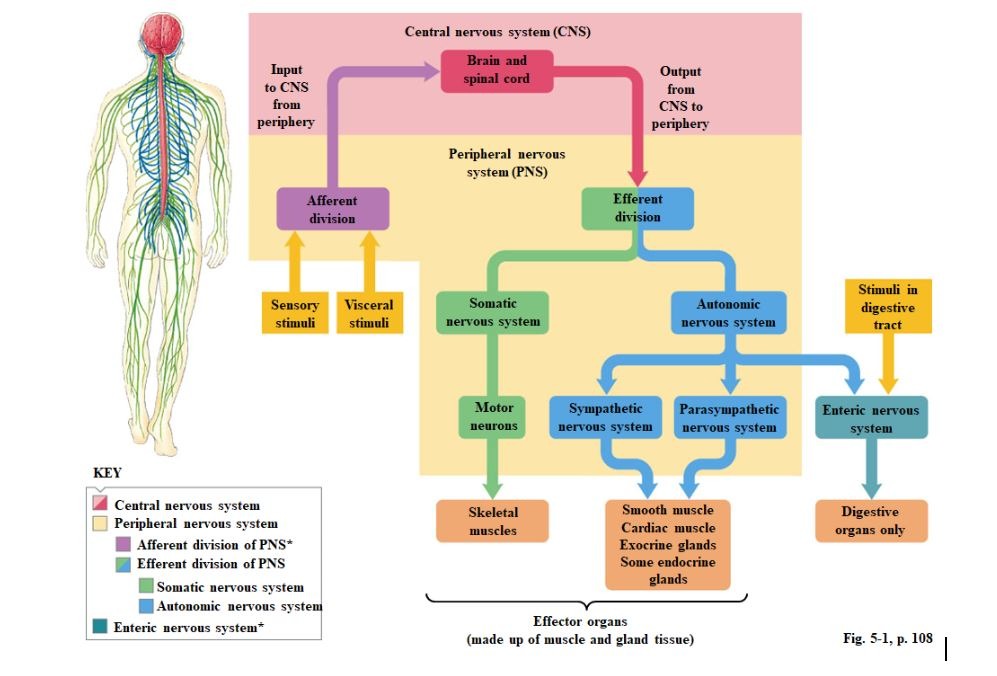
The central nervous system is ingeniously designed to respond to stimuli both internally and externally. A map over the different structures of the nervous systems in the body, showing the cns, pns, autonomic nervous system, and enteric nervous system. Diagram of the human nervous system. The central nervous system is the integration and command center of the body. The central nervous system consists of the brain and spinal cord.
Chapter 5 Nervous System Diagram Quizlet from o.quizlet.com The cns is differentiated from the peripheral nervous system, which involves all of the nerves outside of the brain and spinal cord that carry messages to the cns. The central nervous system is ingeniously designed to respond to stimuli both internally and externally. The central nervous system (cns) and the peripheral nervous system (pns). The nervous system has two main divisions: Neural tissue within the skull and vertebral column that is the integrative and command. The peripheral nervous system consists of sensory. The central nervous system is composed of the brain and the spinal cord. Nervous system (anterior view) the nervous system is a network of neurons whose main feature is to generate, modulate and transmit information between all the different parts of the human body.this property enables many important functions of the nervous system, such as regulation of vital body functions (heartbeat, breathing, digestion), sensation and body movements.
The nervous system has two major parts:
Central nervous system (cns) definition. Nervous tissue, present in both the cns and pns, contains two basic types of cells: The central nervous system (cns) consists of the brain and the spinal cord, while the peripheral nervous system (pns) consists of sensory neurons, ganglia (clusters of neurons) and nerves. Transmits information to the processing areas of the brain and spine 3. The pns provides a complete network of sensory and motor. The cns takes signals from the peripheral nervous system, processes them, then creates new signals to coordinate actions of different body systems. The nervous system is the master controlling and communicating system of the body. The central nervous system is the integration and command center of the body. The central nervous system can be thought of as the coordination and integration system within organisms. This differentiates the cns from the pns, which consists of neurons, axons, and schwann cells. The central nervous system consists of the brain and spinal cord. The central nervous system is the part of the nervous system in vertebrates, which comprises the brain and spinal cord, to which the sensory impulses are carried out and processed in order to coordinate functions in the body by sending the motor impulses to the effector organs. It consists of the brain, spinal cord and the retinas of the eyes.
The cns receives sensory information from the nervous system and controls the body's responses. Damage to the brain can be caused by many things, for example, trauma and als. Formed by the choroid plexus. The central nervous system (cns) and the peripheral nervous system (pns). The peripheral nervous system consists of sensory.
The Nervous System from leavingbio.net The central nervous system is the part of the nervous system in vertebrates, which comprises the brain and spinal cord, to which the sensory impulses are carried out and processed in order to coordinate functions in the body by sending the motor impulses to the effector organs. The brain in the cranial subcavity, and the spinal cord in the spinal cavity. There's a good reason for this. A person's conscious experiences are based on. It gathers information from all over the body and coordinates activity. The cns is made up of the brain and spinal cord and everything else forms the pns. One of the most complex organ system to ever evolve, the human nervous system consists of two parts, namely: Oligodendrocytes and schwann cells have similar functions in the cns and pns, respectively.
The central nervous system (cns) consists of the brain and the spinal cord, while the peripheral nervous system (pns) consists of sensory neurons, ganglia (clusters of neurons) and nerves.
Gustatory cortex (in insula) primary motor cortex All body sensations are sent by receptors to the central nervous system to be interpreted and acted upon. The pns provides a complete network of sensory and motor. Its signaling device, or means of communicating with body cells, is electrical impulses, which are rapid and specific and cause almost immediate responses. A map over the different structures of the nervous systems in the body, showing the cns, pns, autonomic nervous system, and enteric nervous system. The central nervous system is composed of the brain and the spinal cord. The nervous system functions of the nervous system 1. The cns is differentiated from the peripheral nervous system, which involves all of the nerves outside of the brain and spinal cord that carry messages to the cns. The nervous system has two main divisions: The craniosacral part (parasympathetic), and the thoracolumbar part (sympathetic). The nervous system has two major parts: A person's conscious experiences are based on. Nervous tissue, present in both the cns and pns, contains two basic types of cells:
The brain in the cranial subcavity, and the spinal cord in the spinal cavity. The central nervous system is composed of the brain and the spinal cord. The central nervous system is the part of the nervous system in vertebrates, which comprises the brain and spinal cord, to which the sensory impulses are carried out and processed in order to coordinate functions in the body by sending the motor impulses to the effector organs. Its signaling device, or means of communicating with body cells, is electrical impulses, which are rapid and specific and cause almost immediate responses. The central nervous system (cns) is the largest part of the nervous system.it is made up of the brain and the spinal cord.
Anatomy And Physiology Of The Nervous System Canadian Cancer Society from www.cancer.ca The nervous system is the control center for your body. The peripheral nervous system consists of sensory. The nervous system is also responsible for … Together with the peripheral nervous system, it has an important role in the control of behaviour.the cns is protected by bone in the dorsal cavity: The nervous system functions of the nervous system 1. Oligodendrocytes and schwann cells have similar functions in the cns and pns, respectively. The cns takes signals from the peripheral nervous system, processes them, then creates new signals to coordinate actions of different body systems. The nervous system is organised into two sections, the central nervous system (cns) and the peripheral nervous system (pns).
The central nervous system (cns) and the peripheral nervous system (pns).
The nervous system by, dr. The central nervous system (cns) and the peripheral nervous system (pns). The central nervous system is the integration and command center of the body. The nervous system functions of the nervous system 1. There's a good reason for this. Formed by the choroid plexus. The central nervous system (cns) consists of the brain and the spinal cord, while the peripheral nervous system (pns) consists of sensory neurons, ganglia (clusters of neurons) and nerves. The nervous system has two main divisions: Damage to the brain can be caused by many things, for example, trauma and als. Your autonomic nervous system lies almost entirely outside of the central nervous system and involves two main parts: The nervous system is the master controlling and communicating system of the body. The brain in the cranial subcavity, and the spinal cord in the spinal cavity. Nervous system anatomy and physiology.
Neurons (the signaling units) and glial cells (the supporting units) central nervous system diagram. The central nervous system (cns) and the peripheral nervous system (pns).


No comments:
Post a Comment